Gashapon Colored Icons for Modern Graphics
As a brand designer and content marketer, I've reviewed numerous graphic design assets over the years. Gashapon Colored Icons immediately caught my attention with its simple and clean design, making it a versatile choice for a wide range of marketing needs. These icons are not just decorative elements—they're strategic tools that can shape audience perception and reinforce brand identity.
First Impressions: Mood and Emotional Tone
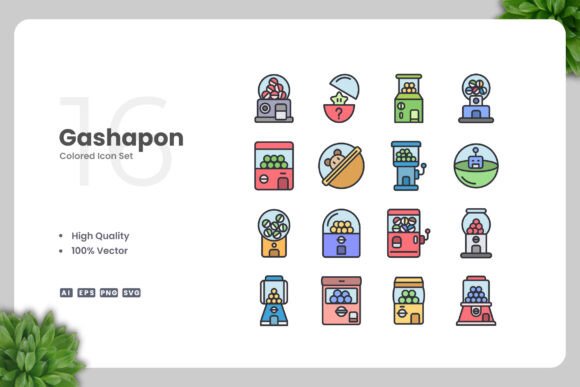
The first thing I noticed about Gashapon Colored Icons is their playful yet professional aesthetic. The soft color palette and rounded edges evoke a sense of approachability and modernity. This makes them ideal for casual branding, lifestyle content, or even premium visuals that still want to feel friendly and relatable.
They bring a light-hearted mood without being childish, which is perfect for brands targeting younger audiences or those in the creative industries. The icons can easily blend into editorial graphics, event promotions, or digital product visuals while maintaining a cohesive look.
Real-World Application in Branding and Marketing
Let’s imagine a small business launching a new line of eco-friendly home products. They need visuals that communicate sustainability, quality, and innovation. Gashapon Colored Icons can be used in social media graphics, Instagram posts, and Pinterest pins to highlight features like "recycled materials" or "eco-conscious packaging."
These icons also work well in email banners, web headers, and product labels. Their scalability and editability make them suitable for both digital ads and print materials, ensuring visual consistency across all touchpoints.
Supporting Marketing Goals with Visual Consistency
Gashapon Colored Icons contribute to stronger first impressions by adding clarity and visual interest to otherwise plain layouts. They help establish a clear visual hierarchy, guiding the audience's eye toward key messages or calls to action.
For brand identity, these icons can serve as decorative elements on packaging accents, merchandise, or content bundles. Their versatility ensures they support audience trust and brand recognition, especially when paired with a consistent color scheme and typography.
Where These Icons Shine Brightest
Gashapon Colored Icons perform best in hero graphics, campaign headers, and product launch visuals. They add a pop of color and personality to branded templates, social media covers, and promotional banners. In editorial layouts, they enhance decorative brand elements without overwhelming the content.
Use with Caution in Specific Scenarios
While Gashapon Colored Icons are highly adaptable, they may not be the best fit for formal corporate branding or dense information layouts. They should be used carefully in small mobile graphics, low-contrast backgrounds, or designs where the icon might compete with the main message.
In text-heavy ads or overly minimal brands, the icons could distract rather than enhance the overall design. It's important to ensure they complement, rather than overpower, the rest of the visual composition.
Practical Design Notes for Brand Owners and Marketers
Before integrating Gashapon Colored Icons into your campaign, test them with your brand color palette. Check how they appear in black and white to ensure they retain their visual impact. Place them inside real campaign mockups to see how they interact with other design elements.
Preview them on mobile screens and test readability in small sizes. Compare them against competitor visuals to ensure your brand stands out. Review how they pair with different font styles—serif, sans serif, script, handwritten, and display fonts—to maintain spacing and balance.
Finally, confirm that you have a commercial license before using them in paid campaigns, client work, or business branding.
Conclusion: A Strong Asset for Creative Projects
Gashapon Colored Icons are a valuable addition to any creative design toolkit. Whether you're working on digital product visuals, printable design, or Canva templates, these icons offer flexibility, professionalism, and emotional appeal.
For small business branding, content creators, and marketing professionals, they provide an easy way to elevate marketing visuals and create memorable campaign designs. With proper use and consideration, they can become a trusted asset in your design bundle and visual communication strategy.